Ads 468x60px

Ads

Comments

Social Icons

Showing posts with label Motorola. Show all posts

Thursday, May 02, 2013

HTC Desire HD2

HTC Desire HD2

HTC Desire HD2

The HTC HD2 is the world's first Windows Mobile-toting phone with a capacitive screen, and also packs the world's largest mobile phone display too. It's also the first WinMo phone to use HTC's Sense UI, previously used on the company's Android handsets, bringing with it Facebook integration and direct Twitter access, as well as masking well the operating system beneath it. Running Windows Mobile 6.5, it certainly makes use of the all the good bits of the upgrade, but HTC decides to do its own thing on around 95 per cent of the HD2. The first thing that most people will notice when picking up the HTC HD2 is the sheer size of the screen, which is justified when you realise it's a whopping 4.3-incher. Also read: 15 best mobile phones in the world today The screen dominates the whole front of the phone, reaching very close to the edges on either side and only leaving room for a speaker at the top and buttons at the bottom, meaning it's a very nice tablet-style look. HTC hd2 The buttons on the front of the HD2 look like brushed metal, and are nicely rounded and raised, making them easy to hit. There's the usual suspects on offer, with the call and terminate keys flanking the home, back and Windows buttons. Other than that, there's very little else on the HD2 button-wise. On the left-hand side, around half way up, there's a volume up/down key, which is flush to the chassis. This is actually a little hard to hit at times, as it's difficult to find it when not looking. HTC hd2 The bottom of the phone houses the microUSB slot for charging and PC connection, along with the 3.5mm headphone jack. It's an odd place to put this pair, with the common option being at the top or in the top corners, and it means a headphone jack can sometimes get caught up in the pocket. It's also hard to text in portrait mode when listening to music – we know that sounds like a pretty niche situation, but as the multimedia aspects of the HD2 have also been upgraded, this is important. HTC hd2 The rear of the phone is also pretty minimal as well – apart from the camera (with dual LED flash) there's very little else to look at. It takes a while to work out how to get the battery cover off as well, with a slight groove on the right-hand side needing to be pulled pretty hard to remove it. The battery looks pretty small, although that's probably just to do with the scale of the HD2. It basically holds in the SIM card and nothing much else, with the microSD card slot sitting away from it, making hot swapping possible. HTC hd2 The other noteworthy aspect when picking it up for the first time is the weight of the phone - it's just 157g with battery, which is pretty darn light for a phone this size. The camera protrudes slightly at the back, which can get in the way of holding it, but this is a minimal problem as you swiftly learn to shift it to a more comfortable position. HTC hd2 The phone is curved nicely on the back, meaning it sits well in the palm. And despite the huge screen size, it's actually not that hard for the average (admittedly male) palm to navigate to all the important areas of the screen, with the thumb easily called into action to hit the upper levels. In the box Keeping with HTC tradition, the box is a slim design featuring just the basic components. This means a microUSB lead, an adaptor to let you plug said lead into the wall, a pair of headphones that double as a (pretty cool with remote control for the music player) hands-free kit, and of course the phone itself. HTC hd2 We're not too sure we like the fact we only get one USB lead that doubles as both the charger and the computer connector, but with the polar bears in trouble the way they are, it's only fair we all do our bit. However, we do like the lack of CD in the box for software, with that being either available on the phone or downloadable from the HTC website.

News Source :  www.techradar.com

HTC Ville

HTC Ville

HTC Ville

It seems a long time ago since we first heard of the HTC Ville and learned that this would be a smartphone launched on Android 4.0 Ice Cream Sandwich. We have been expecting to hear much more about this handset at MWC taking place next week but for now we have some news on some HTC Ville benchmark tests that seem pretty impressive. NenaMark 2 benchmark results have shown notable speeds of 60.60fps which should get many people’s mouths watering. The results were brought to our attention by TmoNews and showed a minimum score of 51.10, an average of 57.40 and a maximum of 60.60. As a brief reminder of specs the HTC Ville will sport a 1.5GHz dual-core Qualcomm S4 processor, a 4.3-inch Super AMOLED qHD display and 8-megapixel rear camera with video capture of 1080p. It will also have a 1650mAh battery, feature HTC Beats Audio and is touted as being super slim. This smartphone looks to be heading to T-Mobile and we should point out that we recently informed readers that the HTC Ville could be seeing a name change to the HTC One S so quite how you will see this smartphone eventually appear seems in question at the moment. We should certainly be hearing more from Barcelona and hopefully will soon be able to give you all the rundown including price and a release date. In the meantime you might want to take a look at the HTC Ville in the video below, which gives an idea of what to expect. With all the current fuss about quad-core smartphones, could you be tempted to a dual-core such as the HTC Ville, especially after seeing these benchmarks?

News Source :  www.phonesreview.co.uk

Wednesday, May 01, 2013

Apple iPad mini Wi-Fi 16GB

Apple iPad mini Wi-Fi1 6GB
Apple iPad mini Wi-Fi 16GB
With the web abuzz with rumors of a new iPad 5 with an iPad mini-like design and even a redesigned mini with a Retina Display, retailers are beginning to slash prices on the device. On Wednesday, Walmart began selling Apple’s iPad mini for $299, marking one of the first price drops for the device since its release. The $299 price point is only available for the 16GB WiFi iPad mini and is the same price that Apple is currently selling its refurbished units for. The iPad mini, from both Walmart and Apple still come with the Cupertino company’s standard 1 year warranty on all of its products and accessories. However, if the iPad mini is purchased from Walmart, the customer will be receiving a new device, as opposed to Apple’s refurbished units. If a customer decides to partake in this deal, they may go through the in-store pickup process, giving them the option reserve a device online and then pick up in the store. It also appears that the “ship to home” option is also available, even though it was not when the deal originally went up. It is unclear if other retailers will begin to lower prices on Apple’s iPad. However, if other retailers do decide to follow suit with Walmart’s discount, it may be very soon, especially since Apple is expected to introduce a new lineup of iPads in the next several months.

News Source :  www.touchreviews.net

Tuesday, April 30, 2013

Apple iPad mini Wi-Fi + Cellular

Apple iPad mini Wi-Fi + Cellular

Apple iPad mini Wi-Fi + Cellular

The iPad mini is probably the worse-kept tech secret of the year. The device has been subjected to much speculation over the past two years and the rumors got most of it right when the 7.9-inch slate was finally unveiled in October. Apple's response to the affordable 7-inch Android tablets that have carved a niche in the small tablet category is predictable. The iPad mini is a premium device that attempts to differentiate on design and build quality. At US$329 for the cheapest Wi-Fi-only model, it's hardly in the same price bracket as rivals which start from US$199. Underneath its sleek chassis, the hardware on the mini is identical to the iPad 2. It's slightly over a year since the iPad 2 was launched, but we have already seen two newer iterations. The rapid pace of the improvements on Apple's flagship tablet may create an impression that the iPad mini is outdated. It certainly feels slower in more intensive apps, but we had no complaints while navigating the interface and using basic apps such as the Web browser. Instead, it's the lack of a Retina display on the iPad mini that is probably its biggest drawback. After the excellent display on the iPad, it's difficult for us to go back to the lower-resolution screen on the mini. Even its cheaper Android competitors now have screens that more than match the iPad mini's. If you don't have a tablet, the iPad mini is an expensive habit to get into. Besides the cost of the device, you'll probably end up spending more on iOS apps compared with other platforms. However, the iPad mini looks good and offers users an LTE option, which isn't always available on cheaper alternatives. As usual, Apple charges a heavy fee to upgrade the amount of internal storage--going from the base 16GB model to the 64GB version that we reviewed here would incur an additional US$200. That's sufficient to buy a 7-inch Android tablet from Amazon or Google. We believe that's more than enough incentive for the average consumers to stick with the 16GB version and simply manage their storage more efficiently. Is the iPad mini the best 7-ish-inch tablet that you can buy now? We don't think so, but it's without a doubt, the best-looking one. Design A tablet is typically rectangular with a screen bordered by a wide bezel. Ever since the first iPad relaunched the tablet segment, this has been the standard look for slates. The back of the tablet and the materials used in its construction may vary across manufacturers, but from the front, they looked mostly similar. In fact, they didn't appear all that different from digital photo frames. Which makes the design of the iPad mini such a pleasant surprise. For one, the side bezel has been reduced significantly, making the 9.7-inch iPad appear chunky in comparison. With such a thin bezel, it would seem difficult to hold the tablet. Except that it isn't: A new feature in iOS 6 includes finger rejection, which differentiates between gripping the screen with your finger, and actually using it. It means that you can hold onto the iPad mini with one finger touching the screen and yet be able to use the touchscreen normally with another finger. While this feature seems to be designed specially for the iPad mini, it's also present on other Apple devices with the latest version of iOS. 

News Source :  www.asia.cnet.com

Apple iPad 4 16GB Wi-Fi

Apple iPad 4 16GB Wi-Fi

Apple iPad 4 16GB Wi-Fi

Its brilliant. In every sense of the world. Pick up the iPad with Retina display and suddenly, its clear. You are actually touching your photos, reading a book, playing the piano. Nothing comes between you and what you love. Thats because the fundamental elements of iPad the display, the processor, the cameras, the wireless connection all work together to create the best possible experience. And they make iPad capable of so much more than you ever imagined. 


News Source : www.mega.pk

Apple iPad 4 Wi-Fi + Cellular

Apple iPad 4 Wi-Fi + Cellular

Apple iPad 4 Wi-Fi + Cellular

All iPad models come with built-in Wi‑Fi. If you want to access the Internet in more places, choose a model that supports cellular data and sign up for data service from AT&T, Sprint, or Verizon — right on your iPad. Connect to fast cellular networks. iPad with Retina display supports fast cellular networks around the world — including LTE networks.* So you can download content, stream video, and browse the web at amazing speeds. And if you’re in a location without an LTE network, you’ll still get access to fast GSM/UMTS networks including HSPA, HSPA+, and DC-HSDPA. Ready to take on the world. iPad with Retina display offers comprehensive support for fast networks around the world. That means you can travel almost anywhere and get online. And your connection is always fast. Choose an iPad model with cellular data capability to connect to GSM/UMTS networks worldwide. If you want a local connection when you’re traveling, just pop in a local SIM card. Use iPad as a personal hotspot. Where supported, iPad can share its high-speed data connection as a personal hotspot. You can connect up to five devices — such as a MacBook Air, an iPod touch, or another iPad — over Wi‑Fi, Bluetooth, or USB. Choose your iPad by carrier. AT&T, Sprint, or Verizon. Be sure to select the model that corresponds with the carrier you’d like to use for service. The iPad model you purchase is specially configured to work with one of three wireless carriers: AT&T, Sprint, or Verizon. So while you don’t have to activate service right away, you should choose your iPad according to the carrier you prefer. Each carrier offers a range of data plan options. Visit your favorite carrier’s website to see data plans. No contract. No long-term commitment. When you decide to activate data service, you can choose the amount of data per month you want to buy — with no long-term contract. So if you have a business trip or vacation approaching, just sign up for the month you’ll be traveling and cancel when you get back. 

News Source :  www.apple.com

Sunday, April 28, 2013

Nokia Asha 210 Colorful QWERTY

Nokia Asha 210 Colorful QWERTY

Nokia Asha 210

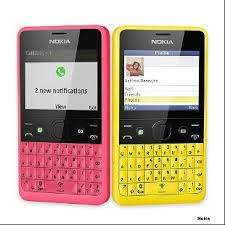
The last time we saw new members of the Asha family they eschewed the usual QWERTY keyboard, opting instead for a full touchscreen. The newly announced (and previously teased) Asha 210, however, returns to the more tactile input method, and brings a healthy splash of color (five different ones, to be precise) plus a dual-SIM option along for the ride. As before, social networks feature heavily, but the focus clearly remains on low-end and developing markets. We know Nokia can do budget (and do it well), but is a full keyboard, a design update, and a dedicated WhatsApp button (all costing $72 SIM-free, excluding taxes when it lands late Q2) enough to make it appeal to anyone beyond the entry-level social addicts? Nokia was kind enough to show us the devices first hand, so head on past the break to see if we thought so. Nokia Asha 210 hands-on See all photos 31 Photos The first thing you notice here is the design language. As with the budget 105 and 301 offerings from MWC, the Asha 210 owes a lot of its looks to the current flagships, with more than a whiff of Lumia about them. This influence also spills over into the color options, which include the usual cyan, magenta, yellow and black plus white. We have to say that for a phone at this price point, it really isn't bad looking. The finish is soft-touch plastic, and while it's not one piece of polycarbonate, Nokia's at least gone to some efforts to make it look slightly similar, and we're happy to play along. The casing is designed to appear as seamless as possible, and the phone looks all the better for it. As well as that dominating QWERTY, there are menu and navigation buttons above and below dedicated WhatsApp and camera keys. Nokia was very keen to play up the WhatsApp integration which not only provides quick access to chats, but includes use of the service for free, for life (i.e. no annual fee). Nokia announces Asha 210 a colorful QWERTY with a social heart, we go handson video A slight twist here is that in some markets, the Asha 210 will actually have a dedicated Facebook button instead (as we saw with the Asha 205). We've asked for confirmation on which markets will have which, but we understand that broadly speaking the EU and USA will likely come with blue stripes, while the others should get green. We also asked if this button might be configurable, but it appears not. Whichever social network flag you fly, it still won't take you very long to get there, as the Series 40 software it runs on has been set up to put them all front and center on the homescreen anyway, with WhatsApp, Facebook and Twitter coming pre-installed. While we're on software, as before there's a "premium" download pack of 15 apps and games on offer after purchase, full details of titles to follow. As for the rest of the hardware, it's something of a mixed bag. The main thing to note is that we're still running on 2G, so no 3G / HSPA to ease the deluge of all those tweets and messages you're expecting. But, there is WiFi to ease some of that pain. The rear (and only) camera is 2-megapixels, which is quite a jump up from the 205's meagre VGA shooter, and should make good use of that dedicated button. The lack of a front-facing camera might initially turn the confirmed socialite a little sour, but don't worry, you can still take those all important "selfies" with the clever self-portrait mode that we also saw in the 301 (the one that says "left a bit, right a bit"). Nokia played down our requests about what was running under the hood, and while it's always nice to know, at this price-point RAM and processor speeds are likely not the buyer's primary concern. We do know, however, it's lingering somewhere under the 1GHz mark. Nokia announces Asha 210 a colorful QWERTY with a social heart, we go handson video The software, it has to be said, does feel noticeably slow if you've ever played with a modern smartphone. Pressing the WhatsApp key took a second or two for the app to open, and generally navigating with the buttons (no touchscreen here) will test your patience unless this is the most premium phone you've ever had -- something that might actually be the case for much of its market. However, this may improve between now and when it finally hits the stores nearer to summer. On the upside, Nokia claims that you'll get 12 hours of talk, and over 40 in standby (under optimum, lab conditions) to give you plenty of time to do everything. Overall though, in the hand the phone feels light, yet solid. The bright color design is attractive and the keys all have a firm, responsive action, though perhaps a little clustered for those with larger digits. Most of all, at $72 (for both the single- and dual-SIM version), it's feels mean to pick fault with some of the Asha 210's features. The design is great for this price, the social features will please many, and there's just about everything you might need for photos and sharing. The UI may feel a little sluggish, and the continued lack of 3G will write it off completely for many, but for mobile users starting at the lower rungs, who want a well built phone with core functionality, Nokia's made a very reasonable proposition.

News Source : www.engadget.com

HTC Zeta

HTC Zeta

HTC Zeta

General 2G Network GSM 850 / 900 / 1800 / 1900 3G Network HSDPA 850 / 900 / 2100 SIM Mini-SIM Announced Not officially announced yet Status Cancelled Body Dimensions 109.8 x 60.9 x 9.8 mm (4.32 x 2.40 x 0.39 in) Weight 146 g (5.15 oz) Display Type Capacitive touchscreen, 16M colors Size 720 x 1280 pixels, 4.5 inches (~326 ppi pixel density) Multitouch Yes - HTC Sense UI Sound Alert types Vibration, MP3, WAV ringtones Loudspeaker Yes 3.5mm jack Yes Memory Card slot No Internal 32 GB storage, 1 GB RAM Data GPRS Yes EDGE Yes Speed HSDPA, HSUPA WLAN Wi-Fi 802.11 a/b/g/n, dual-band, DLNA, Wi-Fi hotspot Bluetooth Yes, v4.0 with A2DP, EDR USB Yes, microUSB v2.0 Camera Primary 8 MP, 3264x2448 pixels, autofocus, dual-LED flash Features Geo-tagging, touch focus, face and smile detection Video Yes, 1080p@30fps Secondary Yes, 1.3 MP Features OS Android OS, v4.0 (Ice Cream Sandwich) CPU Quad-core 2.5 GHz Sensors Accelerometer, gyro, proximity, compass Messaging SMS (threaded view), MMS, Email, Push Email Browser WAP 2.0/xHTML, HTML, Adobe Flash Radio Stereo FM radio with RDS GPS Yes, with A-GPS support Java Yes, via Java MIDP emulator Colors Black - Beats Audio - Beats headset - Active noise cancellation with dedicated mic - MP4/H.263/H.264/WMV player - MP3/eAAC+/WMA/WAV player - Google Search, Maps, Gmail, YouTube, Calendar, Google Talk - Facebook and Twitter integration - Document viewer/editor - Voice memo/dial/commands - Predictive text input (Swype) Battery Li-Ion 1830 mAh battery Stand-by Talk time 


News Source :  www.gsmarena.com

Saturday, April 27, 2013

HTC Desire HD

HTC Desire HD

HTC Desire HD

The HTC Desire HD (codenamed: "HTC Ace") is an Android smartphone by HTC Corporation. It was unveiled at a press event in London hosted by HTC on September 15, 2010,[3] and was made available for sale in October in Europe and in January 2011 in Canada. The Desire was HTC's flagship device in most markets until the release of their new line of flagship models, the HTC Sensation and the HTC Evo 3D. Contents 1 Hardware 2 Software 3 Variants 4 Reception 4.1 Sales 5 See also 6 References 7 External links Hardware The smartphone has an aluminium unibody design with Android 2.3.5 (Gingerbread) and HTC Sense installed. On the back, there are two plastic covers, one contains the battery, while the other contains the SIM card and the microSDHC card. It features a 4.3-inch gorilla glass WVGA TFT LCD capacitive touchscreen, 8 megapixel camera (can record 720p video) and support for HSPA/W-CDMA and quad-band GSM/GPRS/EDGE.[4] It is the first phone to use the new 1 GHz MSM8255 Scorpion CPU. This second generation Snapdragon processor uses a low-power 45-nm process technology for higher integration and efficiency, and the Adreno 205 more than doubles the performance of the Adreno 200 GPU. This allows for longer talk and standby times than the original HTC Desire even with a smaller capacity battery.[5] The HTC Desire HD has 768 MB RAM and 1.5 GB of internal flash memory data storage. There is also a single microSDHC slot, which can accept a microSDHC/XC card with a capacity of up to 32 GB of data storage. Software The HTC Desire HD incorporates Dolby Mobile, Sound Retrieval System WOW Surround Sound, DLNA, Adobe Flash 10.2, and DivX/Xvid video playback support, however, not many audio codecs are supported and apps have to be downloaded in order to support more formats. At launch, HTC unveiled the updated HTC Sense features, including a new web site that allows remote interaction with HTC Sense enabled handsets for backups, security features, and other handset interactions. For example, it can remotely lock and wipe the handset of all sensitive data, while the service also creates automatic backups of contacts, text messages, call history, customizations, etc. HTCSense.com will also send commands to the handset to set the ring volume to maximum volume even if it is on silent mode and give a location on a map. The new HTC Sense brings some enhanced multimedia abilities giving users more options to create and share content (including new photo and video effects). It also includes location-based maps, which can be pre-loaded or cached and thus delivered without download delays or incurring mobile roaming charges. Also included is a new e-book store and a dedicated e-reader with annotation, search and translation abilities. It also provides a social networking hub, known as Friendstream which allows users to monitor their Facebook, Twitter, as well as other social networks all in one page. Also, the new HTC Sense adds a new feature, Fastboot, which improves the HTC Desire HD's startup time, from more than 40 seconds to less than 5 seconds. Technically, the phone is placed in a low-power sleep mode when powered off and wakes up when started up. Because of this fact, if the battery is removed and reinserted, the phone takes about a minute to boot. The HTC Desire HD has received a new software update in December 2010, the Android 2.2.1 version 1.72.405.3 which brings various improvements and some bug fixes.[6] As of January 2011 the 2.2.1 v 1.72.405.3 software update was pulled due to issues with the HTC Sense overlay.[7] During May 2011 in Western Europe, an over the air update updated unlocked, unbranded Desire HDs to Android 2.3.3 Gingerbread and HTC Sense 2.1. On June 12 in Australia, an over the air update was available for unbranded Desire HDs taking them to Android 2.3.3 Gingerbread with HTC Sense 2.1. On July 2011, HTC announced via Facebook that it was testing Gingerbread for branded Desire HDs and HTC released the update at the end of July. With the Android 2.3.3 Gingerbread Update, the Desire HD now has the ability to set Wi-Fi proxy settings which was not available previously with Android 2.2 Froyo and has Sense 2.1. In September 2011 it was reported that HTC plan to update the Desire HD to Android version 2.3.5,[8] which would provide, for example, voice and video calling with Google Talk. On December 16, 2011 in Europe, an over the air update updated unlocked, unbranded Desire HDs to Android 2.3.5 Gingerbread and HTC Sense 3.0. On February 9, 2012, HTC announced in their Facebook page stating that Desire HDs would be upgraded to Android 4.0 Ice Cream Sandwich in late 2012.[9] This update was then cancelled on July 20, 2012, with HTC posting the following statement a week later to explain their position:


News Source : en.wikipedia.org

Friday, April 26, 2013

iPhone 6 specs release date news and rumours

iPhone 6 specs release date news and rumours

iPhone 6

Our iPhone 6 release date, features and price rumours article is updated on a regular basis, so check back to keep up with the latest information. Updated on 23rd April 2013 with new information on production delays. If all of the rumours and speculation turn out to be true, it would appear that the next Apple smartphone will be an iPhone 5S, an update to the existing iPhone 5. All of the major changes are likely to come next year with the release of the iPhone 6. Regardless of names, there's plenty to suggest that Apple needs something brand new, as the iPhone 5 wasn't met with the same rapturous applause of the previous releases, both because of the hardware and the problems with Apple Maps. With the competition getting a lot tougher, such as with the Samsung Galaxy S4, it could mean that Apple needs to up its game with a brand new phone. iPHONE 6 RELEASE DATE Initial reports where that the iPhone 6 would be with us this spring, following an earlier release date of the iPhone 5S. However, recent doubt has been cast on this, with now 2014 seeming more likely for the latest smartphone. The main problem at the moment appears to be that the iPhone 5S is going to be delayed. Peter Misek, an analyst at Jeffries, recently visited Apple's Asian manufacturing partners to find out what was going on. While there he found an advisory note warning that the iPhone 5S was facing pre-production issues. The exact problems weren't detailed, but it appears as though there are problems perfecting the mass production process for the iPhone 5S. This will have a knock-on effect for other Apple products. So, a delay in the iPhone 5S also means that the iPhone 6 will be delayed, with Misek now saying that there's no chance of seeing the new smartphone until 2014. That's something that analyst Glen Yeung agrees with, as reported on Newsday. According to Yeung, the iPhone 5S is going to suffer from "volume production issues". This is likely to have a knock-on effect with other Apple products, including the iPhone 6. There have also been other rumours about key Foxconn staff leaving, causing the problem. According to reports, important members of staff have left, which could be one of the reasons for a delay. However, we don't buy this at all. Foxconn's a massive company that simply can't afford to create manufacturing delays because a couple of members of staff have left. Apple simply wouldn't tolerate this kind of problem, either. We can believe that technology problems and supply chain issue can cause delays, but we're not entirely sure that Apple can afford these problems and it appears to be doing everything it can to make sure that production goes ahead. Recent reports have shown that Foxconn has been taking on 10,000 production workers per week since the last week of March in order to meet orders. iPHONE 6 SCREEN Apple has always been known for its high quality screens and it's going to be interesting to see what it can do with the iPhone 6. What's particularly interesting is Apple's definition of its Retina screens. Simply put, it means that you can't see individual pixels when you use the smartphone from a normal distance. In other words, using the same screen size as the iPhone 5 would mean that there's no point in upping the resolution. So, it could be that Apple's now going to up the screen size to get more resolution. This would make a lot of sense, particularly because large-screen Android phones are proving so popular at the moment. Larger screen competition also means that Samsung, Sony and HTC are all producing phones with Full HD resolutions of 1,920x1,080. Apple really needs to keep up if it wants to win specifications wars. One option is to ditch its definition of Retina and simply update the screen resolution, in order to compete on specifications alone. However, a more sensible thing to do would be to go for a larger screen size, do that more pixels are required. Currently doing the rounds are the rumours that the iPhone 6 will have a 4.8in screen, which would make the phone similar in size to the Samsung Galaxy S4 and the HTC One. At this screen resolution, Apple could then move to a Full HD (1,920x1,080 resolution) or even go beyond. While Apple has not previously made a large-screen phone, upping the screen size for the iPhone 6 makes a lot of sense. It means it can compete with the large-screen phones from other manufacturers and keep the iPhone 5S as a smaller alternative, giving iPhone users more choice. Apple can also do what it can to keep the size of the phone down. A thinner screen, as discussed above, will make a 4.8in iPhone 6 feel less chunky. Ditching the home button, as rumoured, would also mean that the phone can be made a bit shorter, using the front of the phone purely for the screen. To see what a 4.8in iPhone 6 with no home button would look like, check out the concept video below. Apple may also be considering the screen technology that it uses, with a Sharp IGZO (Indium Gallium Zinc Oxide) screen top of the list. This new technology allows for screens that use less power and are considerably thinner. Rumours certainly picked up when the Sharp IGZO technology was demonstrated at CES 2013. Sharp has also started manufacturing a super-sensitive touchscreen, which you can write on with a pencil and even operate with gloves on. Given Apple's relationship with Sharp, rumours have linked the new technology to the iPhone 6. The new screen technology has eight times the sensitivity of existing models, is scratch resistant and is also thinner than existing screens. In other words, it would be hard to see why Apple wouldn't want this technology. iPHONE 6 FLEXIBLE DISPLAY It's also been rumoured that Apple is investing flexible screen technology, which would allow it to create a new smartphone that looks completely different to any previous iPhone. Recently, Apple posted a job advert for an engineer with experience with flexible screens. The job summary said: "Apple Inc. is looking for a Display Specialist to lead the investigation on emerging display technologies such as high optical efficiency LCD, AMOLED and flexible display to improve overall display optical performance." This follows a patent application for a phone with a wrap-around AMOLED screen. With both the job advert and patent filing, it could mean that the iPhone 6 is the most radical redesign of the iPhone we've ever seen. However, from experience, we'd say that working with a completely new technology and getting it right, as well as proving reliability, would mean that flexible displays are likely to be used in later models. iPhone 6 flexible screen The iPhone 6 could have a flexible wrap-around screen iPHONE 6 CAMERA One of the most important part of any smartphone is the camera, with people generally preferring their phone over a compact camera. With the competition putting a lot of effort into the quality of their cameras, Apple has slightly fallen behind, with the iPhone 5's quality not matching that of the Samsung Galaxy S4 or HTC One. Recent rumours, reported by MacRumours have stated that the iPhone 5S will get a 12-megapixel sensor, up from the 8-megapixel version on the iPhone 5. It stands to reason that the iPhone 6 will get the same, or better, sensor. Upping the sensor resolution can introduce problems with noise, though, as there's less light per pixel. Apple will be keen to counteract problems like this, so a lens with a faster aperture would make sense. Currently the iPhone 5 has an f2.4 lens, but an f2.2 or f2.0 lens would mean better low-light photography. iPHONE 6 STORAGE In terms of storage, 64GB has been the top model for a couple of years, so we'd expect the top model to now be 128GB. This has been predicted by Misek, who believes that the iPhone will offer more storage than before. Whether or not this means a new top-end model or whether the entry-level 16GB model hasn't been confirmed, but we'd expect Apple to ditch the low-end and stick with its current pricing. The rumours of a 128GB version would seem to be true, as we know that Apple now has that capacity, thanks to the recent launch of a 128GB iPad 4. The new model doubled the maximum capacity of the previous high-end iPad (64GB). This update was said to be about increasing the variety of uses for the tablet, with Apple stating that more storage was good for large files for use in applications such as CAD and music production. It's also a more useful amount of storage for photos and videos. The update to the iPad 4 was a completely new model with a new price, so we'd expect the same range of capacities and prices to be available from the iPad 5: 16GB, 32GB, 64GB and 128GB. With Apple now using 128GB storage in its tablets, the question is whether or not it will provide the same range of capacities in its iPhone and iPad Mini range, too. Given that the capacity is now available to Apple and that the smartphone market is even more competitive, we'd say that a 128GB version of the new phone is more than likely. IPHONE 6 INDOOR MAPPING Apple has recently bought indoor location tracking start-up WifiSLAM for $20m, fuelling a rumour that the iPhone 6 will have indoor mapping. Apple has bought the company outright, so it's likely that its technology will be integrated directly into iOS products, rather than being available for third-party use. While GPS is brilliant, it requires line-of-sight to satellites, meaning that it doesn't work accurately indoors. WifiSLAM's technology is designed to use alternative radio beacons (WiFi networks, RFID tags or specialist transmitters) to track people inside a building. That may sound a little odd, but inside large buildings, such as museums, shopping centres and airports, the technology could be really useful. It may be that the iPhone 6 gets this technology, so that it's in-door ready. However, as indoor mapping requires additional technology to work properly, it could be a while before a lot of buildings are supported. IPHONE 6 LUMINANCE SHOCK Not all of the new features destined for the iPhone 6 are about making it faster, more attractive or improving the screen. Some, such as the mooted luminance shock eye protection, are about making it more comfortable to use. Luminance shock is when you're say in a dark room and a message or notification pops-up on your phone, shooting the screen to full brightness, temporarily creating a vision impairment. Now Apple has won a patent for a luminance shock avoidance. According to the abstract supplied by Apple, "The algorithm receives the state of the display (e.g. on or in standby mode), and can optionally receive an ambient lighting value from an ambient light sensor and a user-selectable manual brightness adjustment setting to determine whether luminescence shock avoidance should even be triggered, and if it is triggered, how much should the brightness level of the display be limited." In other words, the phone will use the ambient light sensor built into the phone to see how dark it is. It will also monitor to see if the phone's turned on or not. If the phone's off and the room is dark, the algorithm kicks into action when an alert comes in and only raises the screen to a pre-set brightness level, avoiding luminance shock. The patent then goes on to explain how, after a set period of time, the handset would then raise the brightness of the screen to the set brightness level, slowly ramping it up and giving your eyes time to adjust. Apple's patent also describes using a gamma shift to change the screen to red wavelengths, which the eye is less sensitive to, moving it away from the blue/green light. One of the key things about the patent is that it's a luminance shock avoidance algorithm, which means that Apple can implement it in software. That means that the iPhone 5S could get it, as well as existing iOS devices, such as the iPhone 5 and iPad 4. NFC One of the omissions from the iPhone 5 was NFC, but with the technology starting to appear in most new Android phones, we'd expect this in the in iPhone 6. With Apple pushing its Passbook App, for storing store cards, tickets and coupons, integrating this with NFC would make a lot of sense. An Apple phone with NFC would also help push the technology, as retailers are more likely to take it seriously with this handset on board. iPHONE 6 SMART BEZEL One of the things that attracts people to the iPhone is its ease of use and simplicity. However, iOS has barely changed since launch, so Apple could well introduce new ways to interact with its phones in order to stay ahead of the competition. Patently Apple managed to dig up information on a new patent for a smart bezel. This will use a secondary display system, which could be embedded around the primary screen or even on the back of a device to provide new controls that light up when needed. According to Patently Apple, "Apple intends to use the secondary display to introduce a new set of illuminated indicators that would be able to morph into various controls for work and play. Illuminated gaming and productivity controls could be built into the face-side of the bezel and/or selected back-side areas of iOS devices like the iPad." Apple iPhone 6 smart bezel Smart bezel will use a secondary display system that illuminates controls when they're needed That sounds pretty cool to us and could negate some of the negative point of iOS, such as having to scroll all the way to the top of an SMS thread to call the contact. iPHONE 6 PROCESSOR Judging what Apple will do with the processor is harder, but we'd expect an updated model in the iPhone 6. Currently the iPhone 5 has a dual-core Apple A6 processor, but a quad-core Apple A7, using ARM Cortex A15-based cores, sounds plausible to us. It also seems more than likely that Apple will use ARM's big.LITTLE architecture. This allows a processor to have low-power cores that save on battery life, when not much CPU power is required, switching to full-power cores when more intensive tasks are required. Apple's always been hot on battery life, so this move would make sense, particularly as it's something that ARM's really pushing at the moment. There are already quad-core phones from Apple's competitors and there's now the Samsung octa-core Exynos 5 chip. However, it's important to note that more cores doesn't been better performance and the iPhone 5 is still the smoothest and fastest smartphone that we've used, despite having 'only' two cores. With that in mind, Apple will only use the hardware that its phone requires, rather than going all-out to get the most number of cores into a phone. The latest information suggests that the Apple A7 processor is now being finished by the Taiwan Semiconductor Manufacturing company. It appears as though, the final design will go in March, then move to risk production in May-June. With that kind of schedule production of the new chip would happen in 2014, meaning that this processor will definitely be for the iPhone 6, while the iPhone 5S is more likely to get some kind of tweaked A6 processor. Recent rumours have suggested that the iPhone 6 process will be manufactured by Intel, rather than Samsung. With Intel's core market of desktop and laptops contracting, the company is looking to expand its business by offering contract manufacturing. It makes a lot of sense, as Intel has the capital investment in global fabrication plants, which means it should be able to offer competitive prices. It also means that Apple can move away from Samsung, reducing its reliance on its main competitor. This shouldn't be read as a move to Intel-based technology, though. Although Intel has a smartphone chip, it hasn't been used in a lot of phones, with manufacturers preferring ARM. ARM has the dual benefits of low power requirements, which are important on battery-powered devices, and the fact that it licenses its technology, so manufacturers can easily build their own custom chips. iOS 7 One of the constants of the iPhone has been iOS 6, which as barely changed. In fact, with iOS 5, which was introduced with the iPhone 5, the OS barely changed, bar the introduction of the disastrous Apple Maps app. With Android offering Widgets and Windows Mobile 8 a cleaner interface, it's fair to say that iOS is starting to look a bit dated. We'd bet money on Apple working on a successor with a different interface, but whether or not this is iOS 7 and whether or not it will be released with the iPhone 6 is yet to be seen. The odds of iOS 7 being ready on time have slipped, with news that the project is now behind schedule. According to recent reports, Apple has had to take developers away from OS X 10.9 in order to get its mobile OS back on track. So, where does that leave us? Well, the smart betting is that iOS 7 will be released with or shortly after the iPhone 5S, iPad 5 and iPad Mini 2. Current information has the iPhone 6 releasing next year, so we wouldn't be surprised if it were to get a tweaked version of iOS 7, perhaps with some unique features for this handset. iPHONE 6 CONCEPTS Working off the discovered patents and leaked information, a lot of iPhone 6 concepts have been released. At the moment, the most interesting one is from InventHelp's Nickolay Lamm. "I feel that the sales success of the iPhone 5 overlooks the fact that it was a pretty boring phone," Lamm said. "I looked at all of Apple’s recent patents and chose four which Apple may include in the iPhone 6 or later version. I then hired a 3D graphic designer to illustrate each of these patents so that the illustrations were as realistic as possible. I gave him very specific guidelines to follow." The shot below shows a possible version of the phone, along with the Smart Bezel highlighting controls on the screen. The finished iPhone 6 will most likely look different, but it's interesting to see how Smart Bezel could work. 


Thursday, April 25, 2013

Xperia™ Tablet Z

 Xperia™ Tablet Z

 Xperia™ Tablet Z

Any new product, like Microsoft's Surface Pro or Samsung's Galaxy Note 8, looking to break into the tablet market needs to confront an unfortunate reality: It is dominated by Apple and the iPad. Making headway means either pulling new customers into the market or convincing existing iPad owners their slate isn't quite up to par. The Surface Pro hasn't quite been able to do that, but with the Galaxy Note 8 out now and the Xperia Tablet Z coming in May, these three tablets show that the iPad needs to catch up in at least one significant way: multitasking. Like Us on Facebook Sure, Apple likes to say the iPad features multitasking, but it's really just a way to switch between single apps faster. You can't run two apps at the same time, unless hearing your music play in the background counts (it doesn't). Trying to be productive on an iPad isn't as efficient as it should be, and, as ZDNet points out, new products are just going to make the iPad look less capable if Apple doesn't fix this, especially if the company expects users to do more with their tablets. The Surface Pro already offers decent multitasking with Snap View, which lets users run two different programs side-by-side on the same screen. Implementation on Microsoft's device isn't quite perfect, but it's still leaps and bounds ahead of the iPad's offering. The issue with the Surface Pro's solution is that, right now, it forces you to have one app take up nearly 70 percent of the screen, while the other app is relegated to the smaller portion. Fortunately, that'll change with Windows 8.1 (Blue), which will allow users to choose between the original ratio or give each app a 50/50 share of the screen. Meanwhile, the Galaxy Note 8 and Xperia Tablet Z will offer multitasking options with a little more customization. The two new tablets offer Android's multi view feature, which not only lets users run two apps simultaneously, but also lets them re-size the apps to whatever size they want. The Galaxy Note 8 has already been praised for its great multitasking ability, and it'll be interesting to see how the Xperia Tablet Z performs when it's released next month. Either way, future Surface Pro/RT editions are set to offer enhanced multitasking, while a heap of Android slates are going to come out featuring the same types of capabilities. If the iPad 5 and iPad mini 2 aim to keep Apple's grip on the market firm, then it's important they don't fall behind. 


News Source :   www.itechpost.com

Wednesday, April 24, 2013

HTC One U.S.

HTC One U.S.

HTC One U.S.

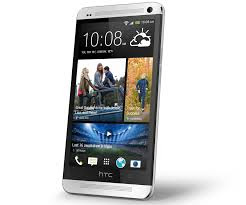
In February, after months of rumors, leaks and speculation, HTC took the curtain down from around its brand new smartphone, the HTC One, a device that is set to replace the HTC One X and the HTC One X+. At the time, HTC revealed that it would be hitting a number of carriers across the globe during the month of March, including the United States. But as we’ve found out, there are still plenty of questions about the HTC One U.S. release date and a launch that has turned into a mess. Read: HTC One Release Bringing Bold, Expensive Marketing. In the months before February 19th, HTC had been rumored to be coming up with a new flagship smartphone for 2013, a device that was originally called the HTC M7, and one that it hoped would bring the company back to prominence and take on the likes of the iPhone 5 and its biggest Android rival, the upcoming Samsung Galaxy S4. New reports point to HTC One release date delays and shortages into late Apri.. The HTC One U.S. release still has plenty of mysteries surrounding it. Those rumors culminated with an event in the United States, New York City to be exact, where HTC took the stage and announced its brand new HTC One, a device that features a number of upgrades over the company’s previous flagship models. In order to make it appealing in the face of intense competition, HTC went to great lengths with its features. Starting with its design, it’s made entirely out of metal and features a ZeroGap design that makes the device feel flush throughout. HTC also loaded it up with a new Ultrapixel camera, a speedy quad-core processor, and a 4.7-inch display with 1080p resolution to set it apart, at least size-wise, from its many competitors. The company also outfitted the device with Android 4.1 Jelly Bean and its new version of HTC Sense, HTC Sense 5.0, which is a vast departure from its previous skins. The partial cherry on top of the entire event was that the HTC One was announced for several American carriers, something that hadn’t happened with previous HTC phones at launch. Better yet, HTC said that the device would be hitting shelves across the globe starting in March. However, despite all of HTC’s revelations about the HTC One including information about its release date, the HTC One still hasn’t arrived on carriers in the United States. In fact, as we approach the end of March, we still have a number of mysteries surrounding the HTC One U.S. release date which has devolved into a complete mess. HTC One U.S. Release Date Shortly after the HTC One’s launch, we saw mobile operators in the UK announce that the device would be made available starting on March 15th, a little under a month after its launch, and a date which fell in line with HTC’s March pronouncement. On March 12th though, word of a delay spread like wildfire and HTC unfortunately confirmed that it would be pushing some release dates back. Word soon came that the HTC One U.S. release date wouldn’t be delayed as it was on a different timeline than the other models but its rumored release date of March 22nd has come and gone and thus far, no American carrier has stepped forward to provide any sort of pertinent information about the HTC One’s release. AT&T, Sprint and T-Mobile have remained quiet through it all, leaving HTC to attempt to clean up the mess that it has created. So far, none of them have confirmed any details in regards to the timing, leaving potential customers completely in the dark.


Monday, April 22, 2013

Sony Xperia TX gets Android

Sony Xperia TX gets Android

Sony Xperia TX gets Android

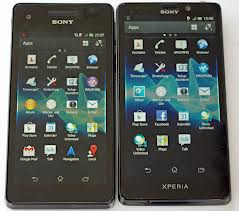
Posted on 28 Mar 2013 at 09:38, by Gareth Halfacree Sony has begun updating its Xperia TX Android smartphones to Jelly Bean, but anyone hoping to see the very latest 4.2 release appear on their handsets will be disappointed to learn that they are only getting Android 4.1.2. While not the Android 4.2 release that adds features such as the PhotoSphere panorama camera mode, the update is still a version of Google's Jelly Bean OS and includes a raft of improvements over the device's previous Android 4.0 Ice Cream Sandwich version, including performance boosts and a better notification system. The update is believed to be the same as the one that rolled out for the Xperia T, including updates to Sony's own-brand Walkman, Album and Movies packages that improve the user interface and make them easier to use. The move to Jelly Bean also brings improved home screen features, extra resizable widgets and up to seven desktop panes, along with improvements to how apps can be organised in the App Drawer and into trays of linked applications. While the Xperia T's update also brought with it improvements to the functionality of the rear-facing camera, including an improved viewfinder with auto-scene setting and the option to switch between front and back camera with a single touch, it is not yet known whether those improvements have made it across to the Xperia TX - although given the similarity between the two handsets, it's almost certain that they have. For Xperia TX owners that want to upgrade their handsets to the new software release, the update can be downloaded and installed using Sony's PC Companion software now, with an over-the-air update likely to appear in the near future for those who would prefer to wait to be prompted. 

Sunday, April 21, 2013

Sony Xperia ZL

Sony Xperia ZL

Sony Xperia ZL

Sony's next Xperia smartphone is accepting pre-orders ahead of what could be an April release date. The Xperia ZL, which sports a 1080p Full HD screen, has a pre-order price tag of $759.99 for the 4G LTE version, and $719.99 for the HSPA+ compatible variant. The Sony smartphone, which is available in black, red, and white, can also be bought with a two-year Protection Plan with Accidental Damage for Mobile Phones for an additional $79.99. The benefits with the protection plan include: Like Us on Facebook - Protection against accidents such as drops and spills from day one. - Repair performed by Sony-authorized technicians, using Sony-authorized parts. - No estimates, shipping costs or deductibles. - Lightning/power surge protection. - No lemon policy. - Coverage begins on date of product purchase. While Sony is accepting pre-orders, an estimated shipping date is listed for April 8. Free ground shipping is valid since it is a purchase over $25. The Sony Xperia ZL features a screen size of 5 inches. The pixel resolution for the Android smartphone is 1,920x1,080 and 441 pixels per inch. The Xperia ZL is only available in a 16GB internal storage model with 2GB of RAM. A microSD card slot is available for an additional 64GB of storage. The rear-facing camera stands at 13 megapixels with 4,128x3,096 pixels with autofocus and LED flash. The front-facing camera has 2 megapixels. The video recording capabilities include 1080p at 30 frames per second. With a 2,370mAh battery capacity, the smartphone can last up to 500 hours on standby and 13 hours talk time when on a 3G network. As for wireless connectivity, the Xperia ZL has access to Wi-Fi 802.11 a/b/g/n, Wi-Fi Direct, Wi-Fi hotspot, Bluetooth, and has NFC. 


Wednesday, April 17, 2013

iPhone 5S to be launched in June 2013

 iPhone 5S to be launched in June 2013

 iPhone 5S to be launched in June 2013

We're anxiously awaiting the iPhone 5S launch as we see cool devices like the Samsung Galaxy S4 and HTC One stream across our collective consciousness. OK, that may be a bit much, but at the rate that Android devices are launching, Apple's once-a-year launch cycle is beginning to feel slightly stale. Rumors and chatter amongst Apple supply chain folks suggests that the iPhone 5S, the obvious successor to the current iPhone 5, will be launching in June. Leaked information about product and accessory plans for the iPhone 5S point to an early summer launch, but as with most of this type of leaked info, we have to take it with a grain of salt. TechCrunch reports: "The presentation catalog, which details new cases and chargers for iPhone devices as well as Qi-enabled wireless chargers and dongles for the iPhone 5, points to a firm June 2013 launch of what they are calling the iPhone 5S." The only reason a June launch seems a little unusual at this point is because of Apple's shifted cycle of fall launches with the iPhone 4S and the iPhone 5. However, it isn't really a stretch of the imagination to think that it may go back to a summer schedule launch. Anyone with even a faint memory of the iPhone's launch history will know that the iPhone 5S will probably look exactly like its predecessor, which isn't necessarily a bad thing since the 5S is a beautiful device. It will probably be beefed up in appreciable ways, like processing power, speed and perhaps camera. The downside to this is that the device begins to seem a little stale because of Android's pace, and the marketing beast that is Samsung. Many are accusing Apple of failing to innovate and introduce exciting new products after the death of Steve Jobs, but perhaps it's easier to appreciate the shiny and the new instead of the reliable and the refined. If you'd like to chime in with your two cents on the iPhone 5S, feel free to leave us a comment down below and we'll happily share our thoughts with you, too. 


News Source: www.thefullsignal.com

Tuesday, April 16, 2013

Samsung Galaxy S4 vs LG Optimus G Pro

Samsung Galaxy S4 vs LG Optimus G Pro

Samsung Galaxy S4 vs LG Optimus G Pro

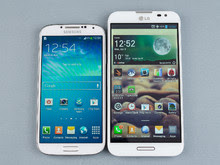
LG has been making some pretty good moves lately, first releasing the notable Optimus G, and more recently the Optimus G Pro – a powerful phablet device with a large 5.5" screen and the Snapdragon 600 processor. However, since LG simply markets the Optimus G Pro as its best smartphone right now, we're just going to go ahead and compare it to Samsung's best smartphone, which is the Galaxy S4. This is not StarCraft II, but we promise you, guys, this Korea vs Korea battle will be just as intense! Design Although pretty similar in design language, we think that the Galaxy S4 has a definite edge in the appearance department. Both handsets are made of glossy plastic, which we like, though the characterstic texture on the back of the Optimus G Pro is a bit too expressive for our taste. Still, it's worth noting that we're testing te Korean variant of the Optimus G Pro, so that design element may not be preserved in the U.S variant. The Samsung Galaxy S4 (left) and the LG Optimus G Pro (right) - Samsung Galaxy S4 vs LG Optimus G Pro The Samsung Galaxy S4 (left) and the LG Optimus G Pro (right) - Samsung Galaxy S4 vs LG Optimus G Pro The Samsung Galaxy S4 (left) and the LG Optimus G Pro (right) - Samsung Galaxy S4 vs LG Optimus G Pro The Samsung Galaxy S4 (left) and the LG Optimus G Pro (right) Front view | Side view Samsung Galaxy S4 5.38 x 2.75 x 0.31 inches 136.6 x 69.8 x 7.9 mm Samsung Galaxy S4 LG Optimus G Pro 5.91 x 3 x 0.37 inches 150.2 x 76.1 x 9.4 mm LG Optimus G Pro In terms of size, LG has done wonders with its phablet, which sits surprisingly comfortably in the hand thanks to its super-thin bezel. However, the same thing is also true for the Galaxy S4, which has a super-thin bezel of its own, and given its smaller screen, it's even more comfortable to use. Naturally, the GS4 is also lighter, which should be taken into account if you plan to be wearing it in your pocket. Right - The sides of the Samsung Galaxy S4 (bottom, left) and the LG Optimus G Pro (top, right) - Samsung Galaxy S4 vs LG Optimus G Pro Left - The sides of the Samsung Galaxy S4 (bottom, left) and the LG Optimus G Pro (top, right) - Samsung Galaxy S4 vs LG Optimus G Pro Top - The sides of the Samsung Galaxy S4 (bottom, left) and the LG Optimus G Pro (top, right) - Samsung Galaxy S4 vs LG Optimus G Pro Right Left Top Bottom - The sides of the Samsung Galaxy S4 (bottom, left) and the LG Optimus G Pro (top, right) - Samsung Galaxy S4 vs LG Optimus G Pro The sides of the Samsung Galaxy S4 (bottom, left) and the LG Optimus G Pro (top, right) - Samsung Galaxy S4 vs LG Optimus G Pro The sides of the Samsung Galaxy S4 (bottom, left) and the LG Optimus G Pro (top, right) - Samsung Galaxy S4 vs LG Optimus G Pro Bottom The sides of the Samsung Galaxy S4 (bottom, left) and the LG Optimus G Pro (top, right) Display OK, so obviously the Optimus G Pro has a significantly bigger display at 5.5 inches, and that's something the Galaxy S4 can't change. What the GS4 can do, however, is to offer a more true-to-life AMOLED display than LG's IPS LCD. It used to be the other way around, with AMOLEDs struggling to compete with LCDs in the colors department, but something must have gone seriously wrong in the making of the Optimus G Pro's display, which is visibly colder-looking than the one of the Galaxy S4. Viewing angles are also better on Samsung's device, as the G Pro is quick to lose some precious contrast and brightness when looked at an angle. However, the Optimus G Pro does have the brighter screen, which makes it easier to view outdoors. At least that is one area where LCD are still unsurpassed. 


 News Source:  www.phonearena.com

Thursday, April 04, 2013

Cell Phone Inventor Talks of First Cell Call ( Martin Cooper )

Cell Phone Inventor Talks of First Cell Call ( Martin Cooper )

Cell Phone Inventor Talks of First Cell Call  (Martin Cooper)

It's 40 years ago today, April 3, 1973. Martin Cooper, then a senior engineer at Motorola, made a cell phone call — the first one ever. Cooper, now age 85, tells the story of this call in an interview with the BBC, embedded below. The call, in the presence of a journalist, was to his chief competitor Dr. Joel S. Engel, who was head of Bell Labs: "Joel, this is Marty. I'm calling you from a cell phone, a real handheld portable cell phone." Yes, the first cell phone call was for the purpose of gloating. Cooper says that Engel tells him he doesn't remember the call. In the interview Cooper discusses some of the benefits to mankind that come from ubiquitous mobile phones. He also says that Motorola treated him well (even though he got $1 from them for signing away the rights to all his inventions). He also criticized the mobile carriers for focusing on speed rather than reliability of coverage. "The emphasis of the carriers has been to market speed, and yet the technology exists today, and it's being adopted slowly, . that would give us really solid coverage and increase the capacity of the system.

New Source: www.informationweek.com

Advertise

Related Posts Plugin for WordPress, Blogger...

Add to netvibes

Subscribe in Bloglines

Add to The Free Dictionary

Powered by FeedBurner

I heart FeedBurner